
Do Patients Without a Terminal Illness Have the Right to Die? — cover
Paula Ritchie’s life was shaped by childhood abuse, multiple suicide attempts, and a head injury from an assault.

She lived with chronic pain and mental-health challenges but was not terminally ill. After a long and complicated process, Paula was finally granted the right to end her life legally.
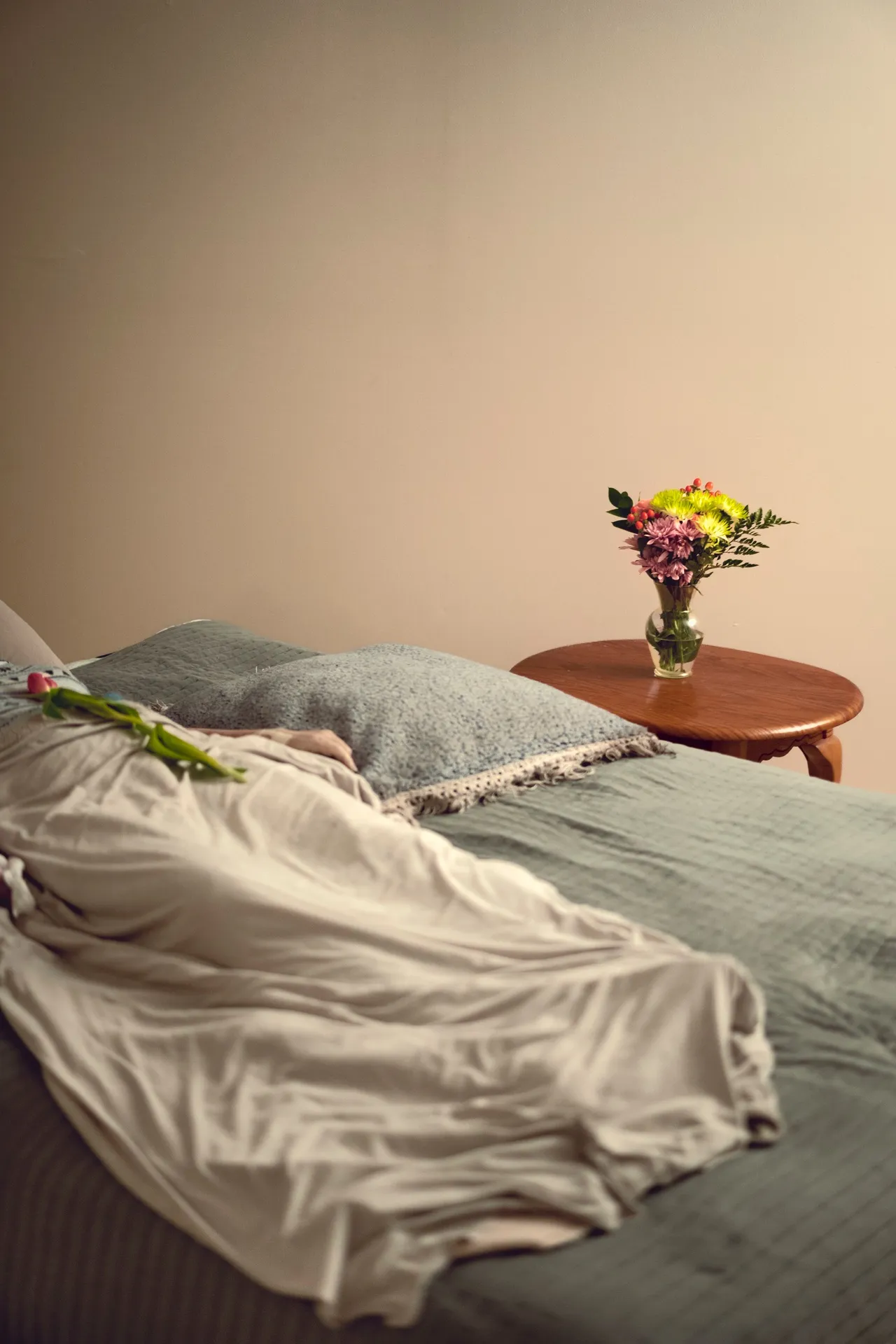
On the day of her death, Paula’s friends tended to the table beside her bed. They gathered objects that were important to her: a bible and a porcelain angel, a crystal, a scented candle, fresh flowers, and a clock.
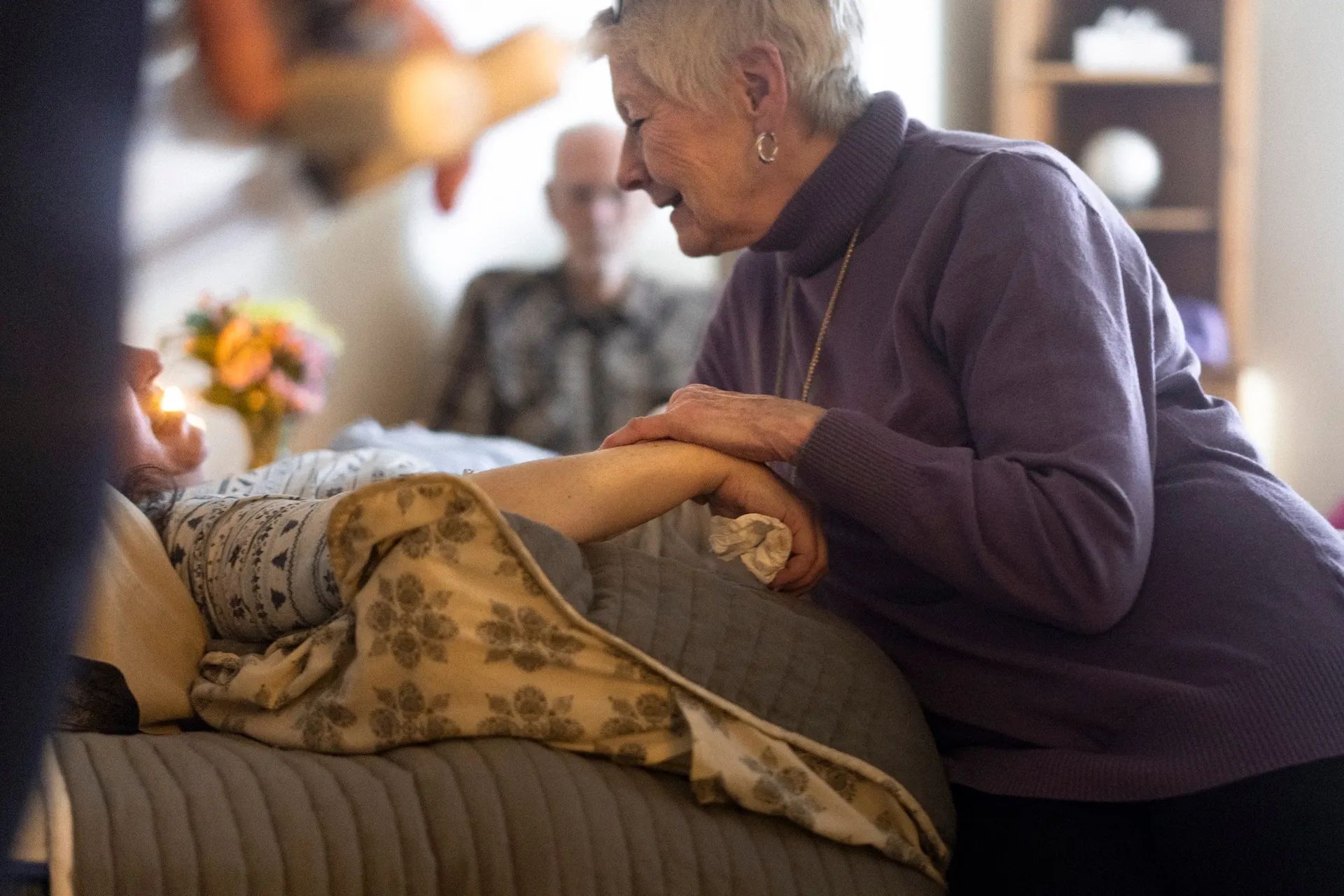
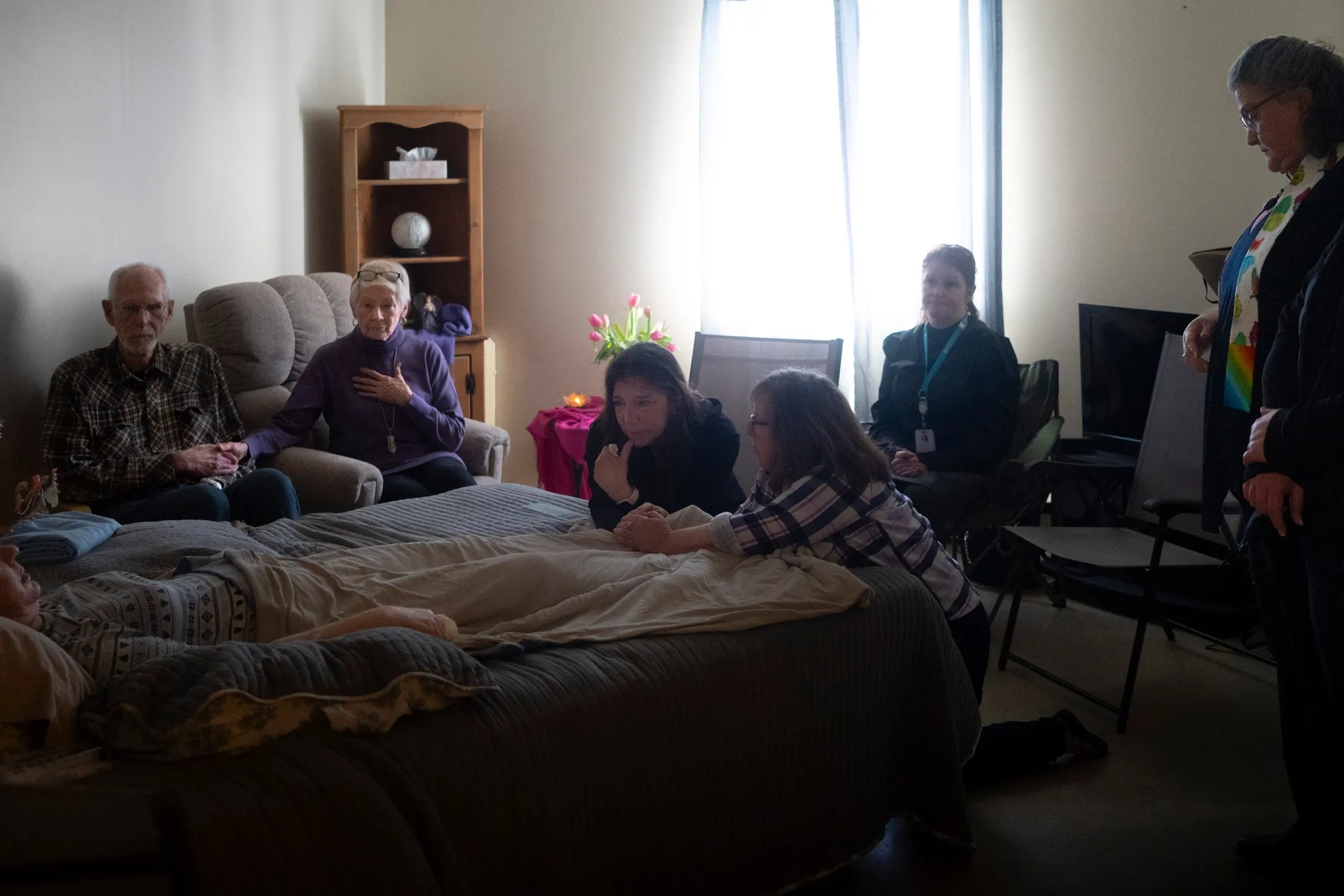
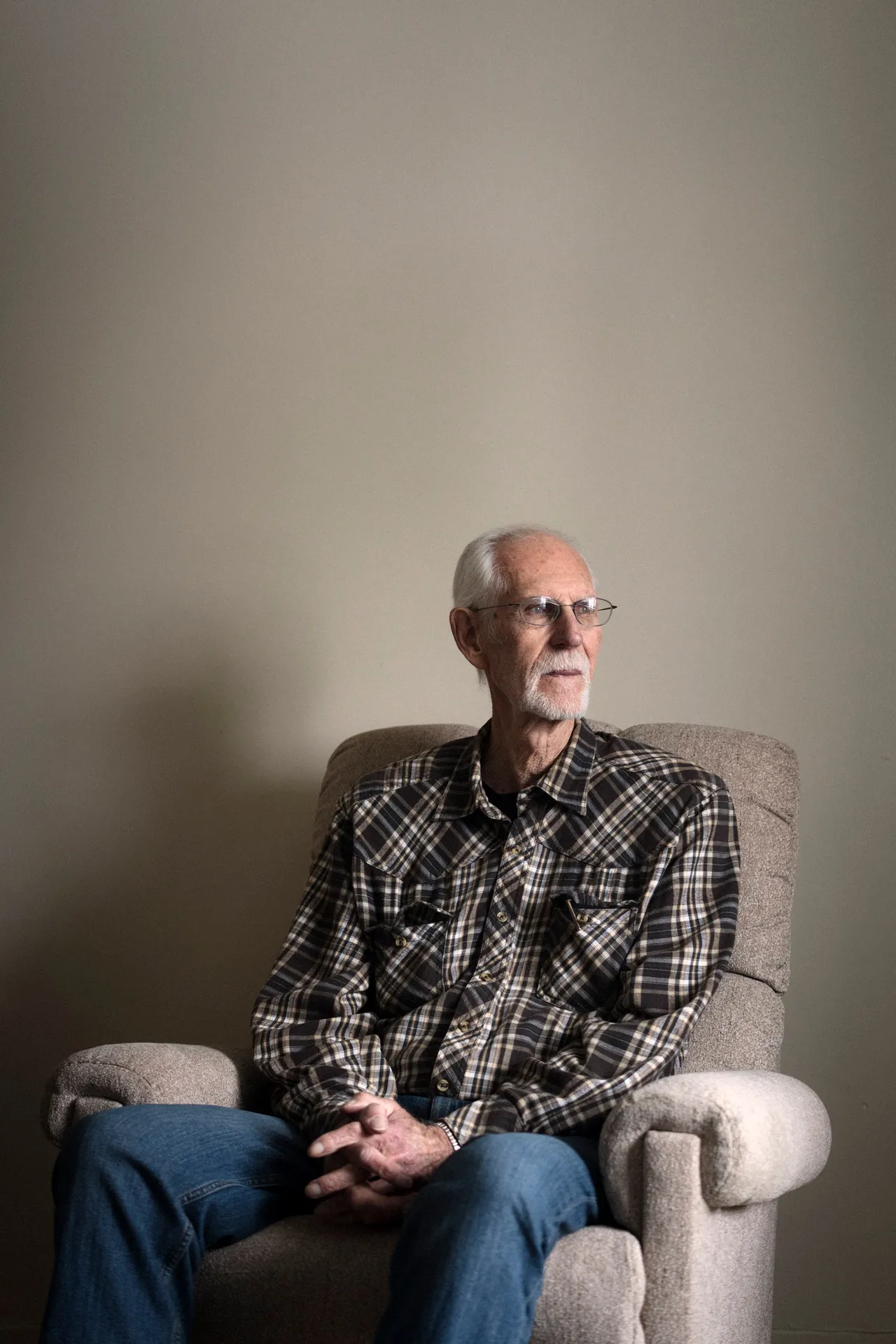
Alongside two nurses and the doctor who would administer the medication, several people close to Paula were present, including a neighbor from Smiths Falls, Ontario, where she lived.

Each said a final goodbye before the doctor began the process.
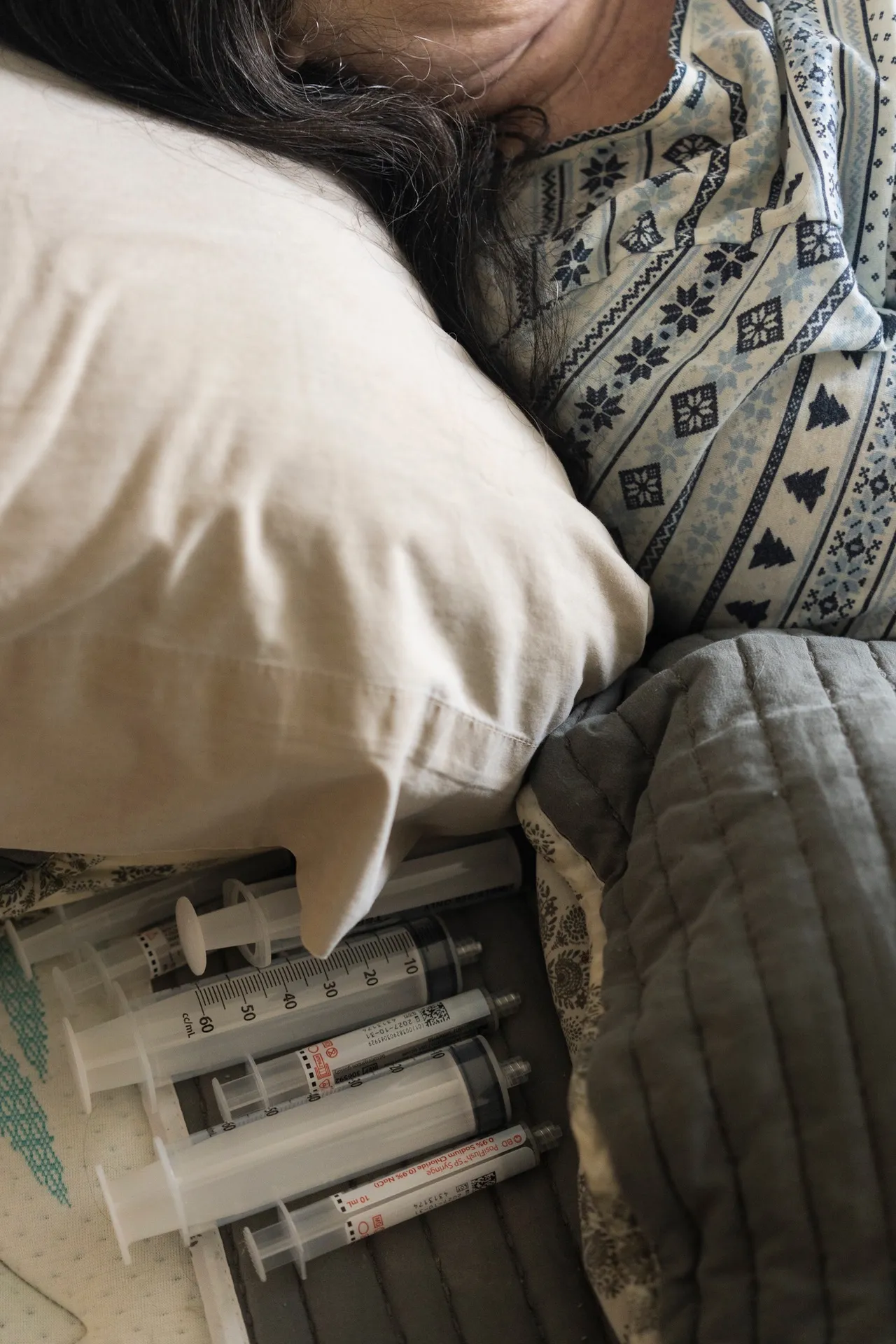
The medication for Paula's death, carried in a traditional doctor's bag, took several minutes to prepare.
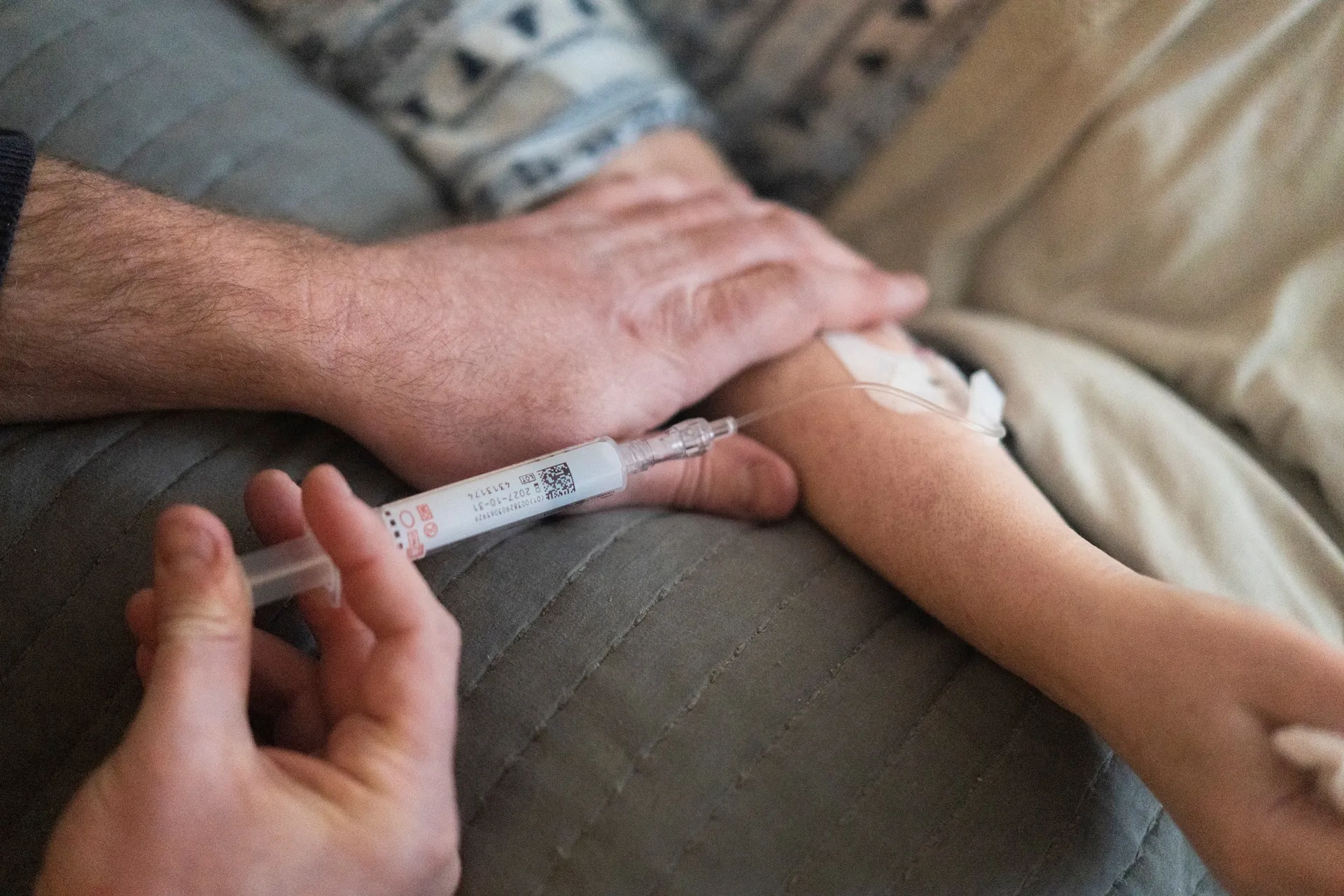
In the kitchen, Paula’s doctor assembled the injectable medications, including propofol, which he referred to as “milk of amnesia.”
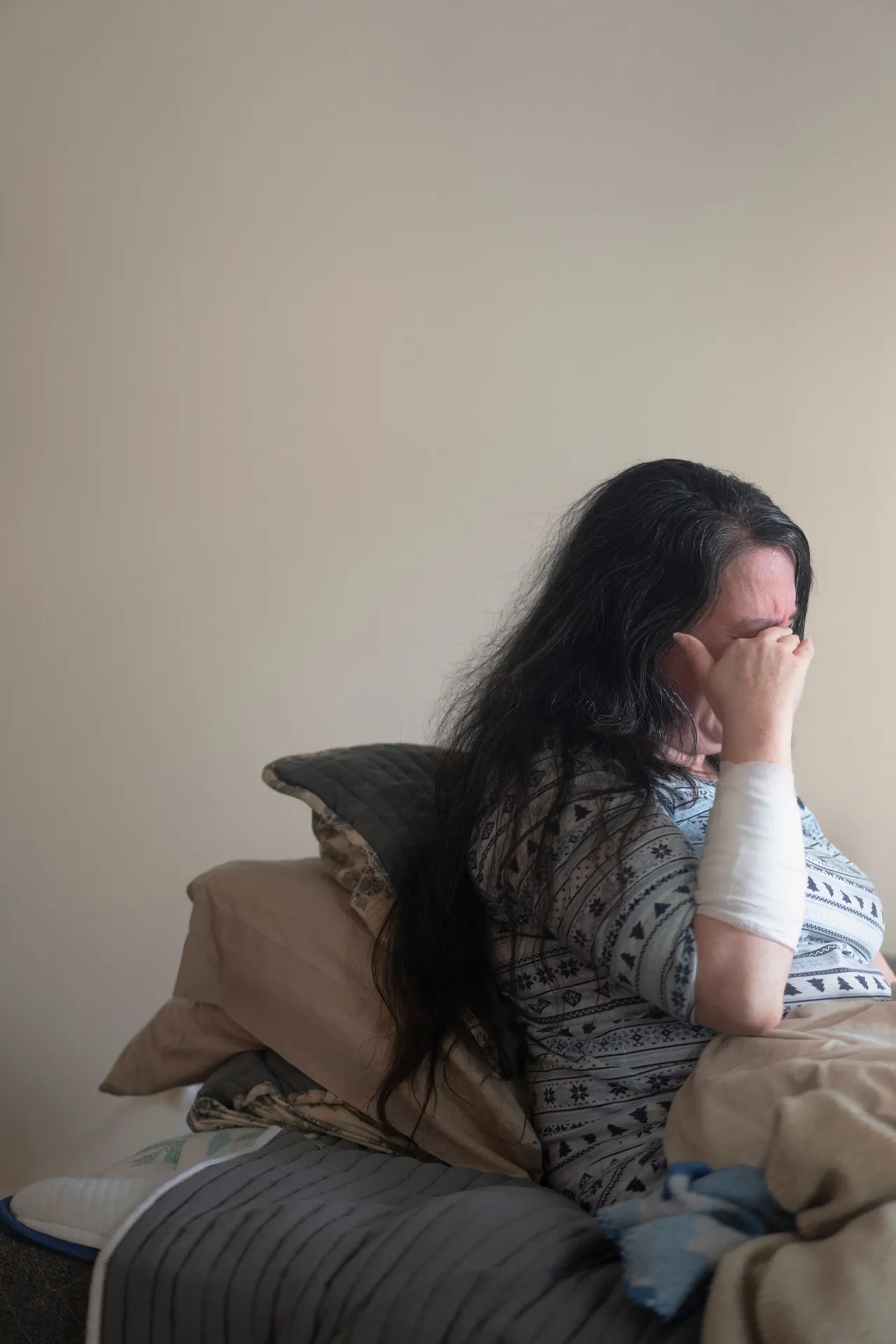
Paula once told a friend that a veterinarian would put a dog down for feeling better than she did. As the doctor returned with the medication, her friends tried to comfort and reassure her.
“I’m going to take Paula’s hand now.”

The doctor explained that it would feel just like falling asleep.
In Paula’s final moments, the room was still. Her childhood friend knelt at the foot of the bed, joined by her death doula.
Paula worried that dying would be painful. But when the time came, she was calm as the drugs went in.

“I don’t feel anything,” she whispered.
Do Patients Without a Terminal Illness Have the Right to Die?, frame oliver-farshi-do-patients-without-a-terminal-illness-have-the-right-to-die-11
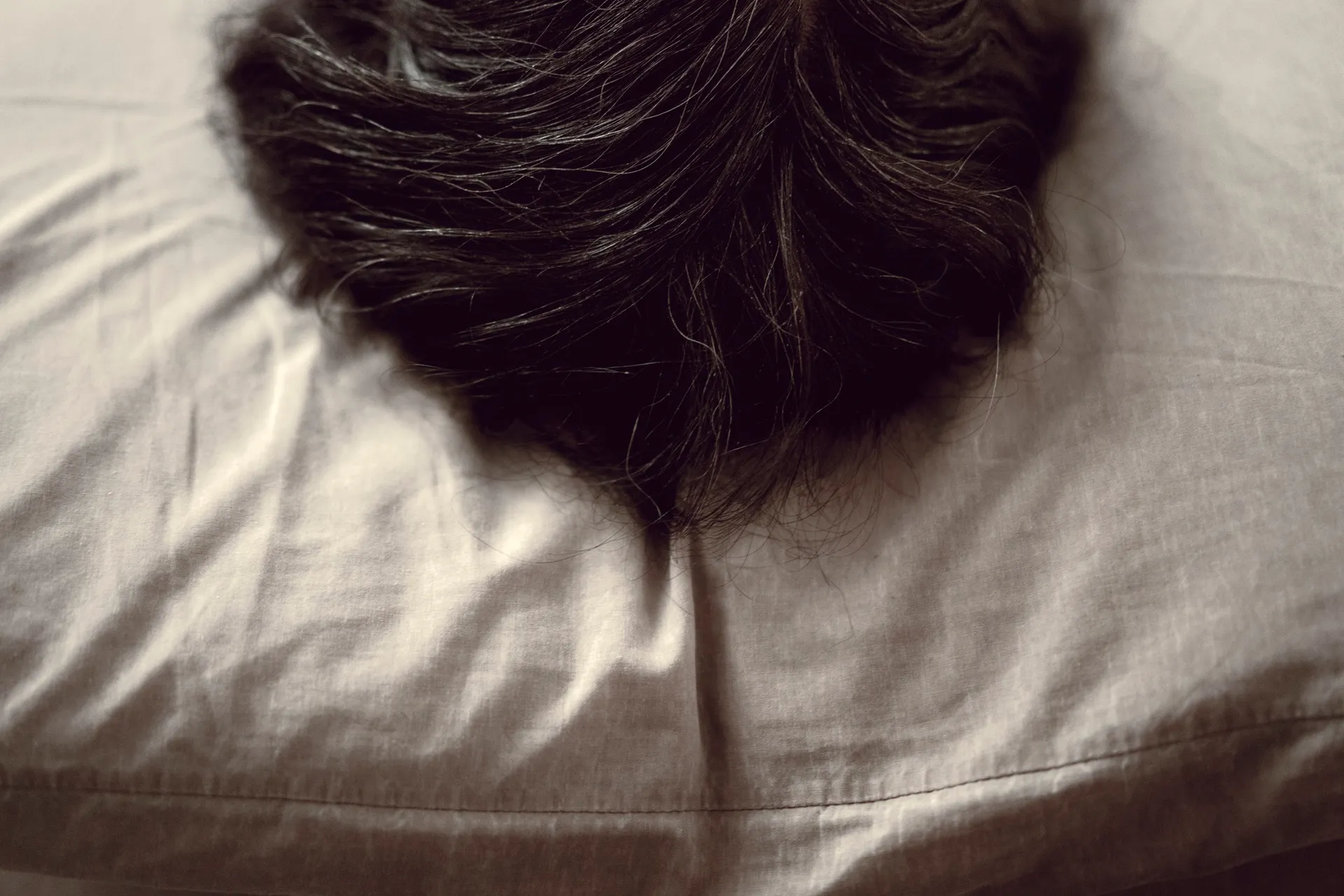
Later in life, Paula had struggled to care for herself.

Her nails had grown long and bathing was a challenge.
As the sun set and each guest left Paula's home, two of Paula's friends stayed with the body until it was collected. They then packed up the remaining chairs and left.
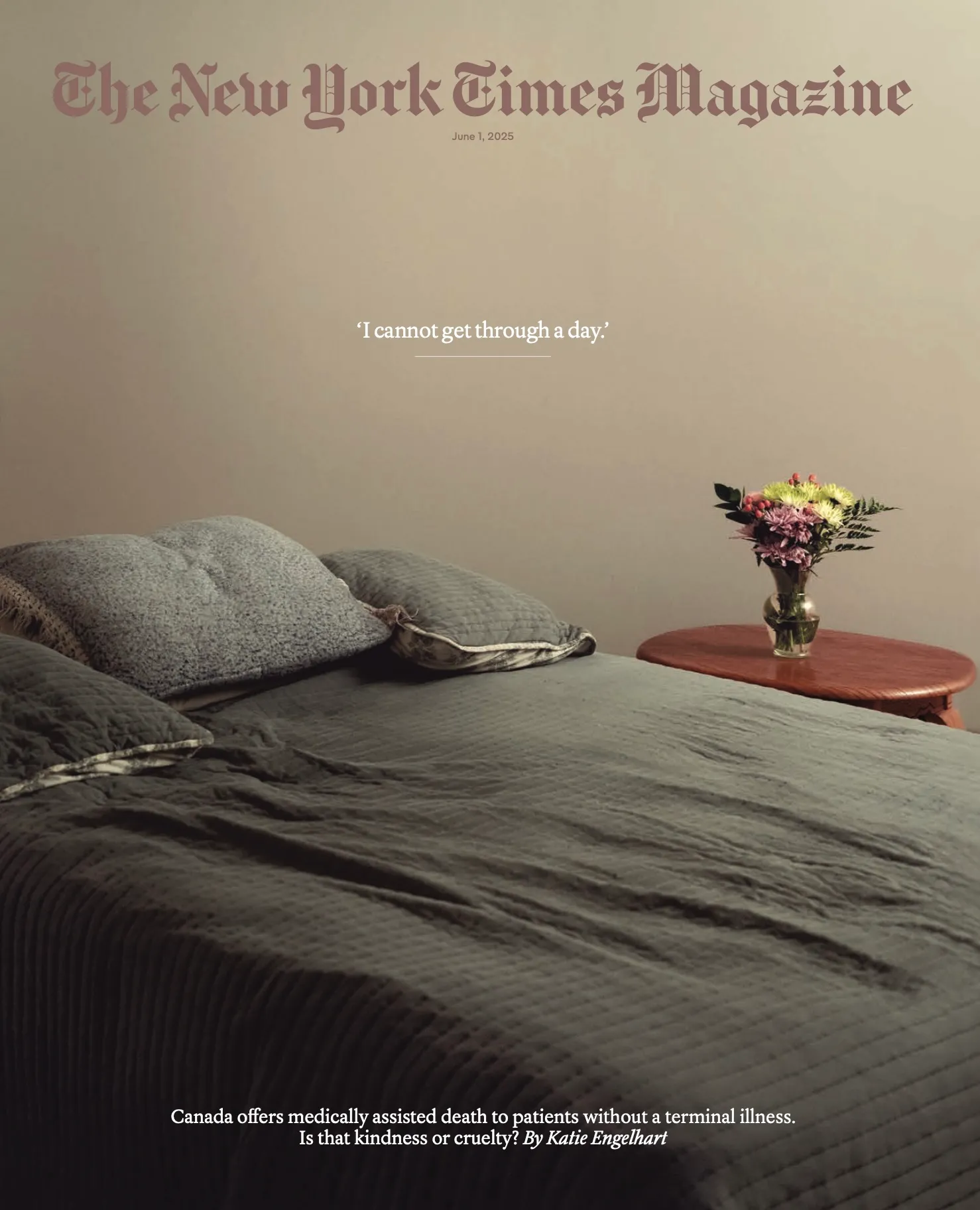
Do Patients Without a Terminal Illness Have the Right to Die? — cover

The New York Times Magazine


Do Patients Without a Terminal Illness Have the Right to Die?

In Canada, a chronically ill woman confronts her final day and assisted death, raising urgent questions about choice, care, and dignity.

Read the original story by Katie Engelhart here

Paula Ritchie’s life was shaped by childhood abuse, multiple suicide attempts, and a head injury from an assault.

She lived with chronic pain and mental-health challenges but was not terminally ill. After a long and complicated process, Paula was finally granted the right to end her life legally.

Paula Ritchie’s life was shaped by childhood abuse, multiple suicide attempts, and a head injury from an assault. She lived with chronic pain and mental-health challenges but was not terminally ill. After a long and complicated process, Paula was finally granted the right to end her life legally.

On the day of her death, Paula’s friends tended to the table beside her bed. They gathered objects that were important to her: a bible and a porcelain angel, a crystal, a scented candle, fresh flowers, and a clock.

On the day of her death, Paula’s friends tended to the table beside her bed. They gathered objects that were important to her: a bible and a porcelain angel, a crystal, a scented candle, fresh flowers, and a clock.

Alongside two nurses and the doctor who would administer the medication, several people close to Paula were present, including a neighbor from Smiths Falls, Ontario, where she lived.

Each said a final goodbye before the doctor began the process.

Alongside two nurses and the doctor who would administer the medication, several people close to Paula were present, including a neighbor from Smiths Falls, Ontario, where she lived. Each said a final goodbye before the doctor began the process.

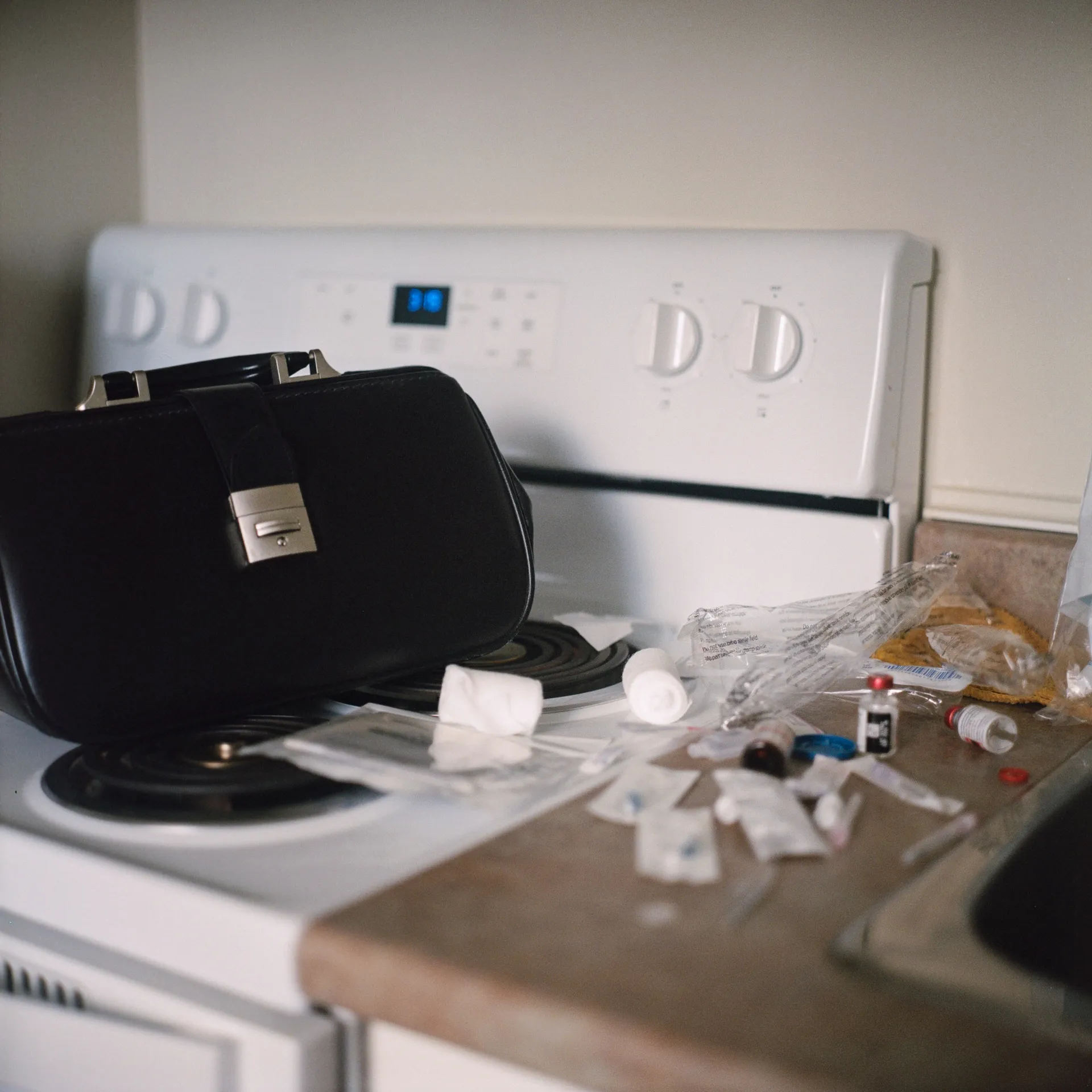
The medication for Paula's death, carried in a traditional doctor's bag, took several minutes to prepare.

The medication for Paula's death, carried in a traditional doctor's bag, took several minutes to prepare.

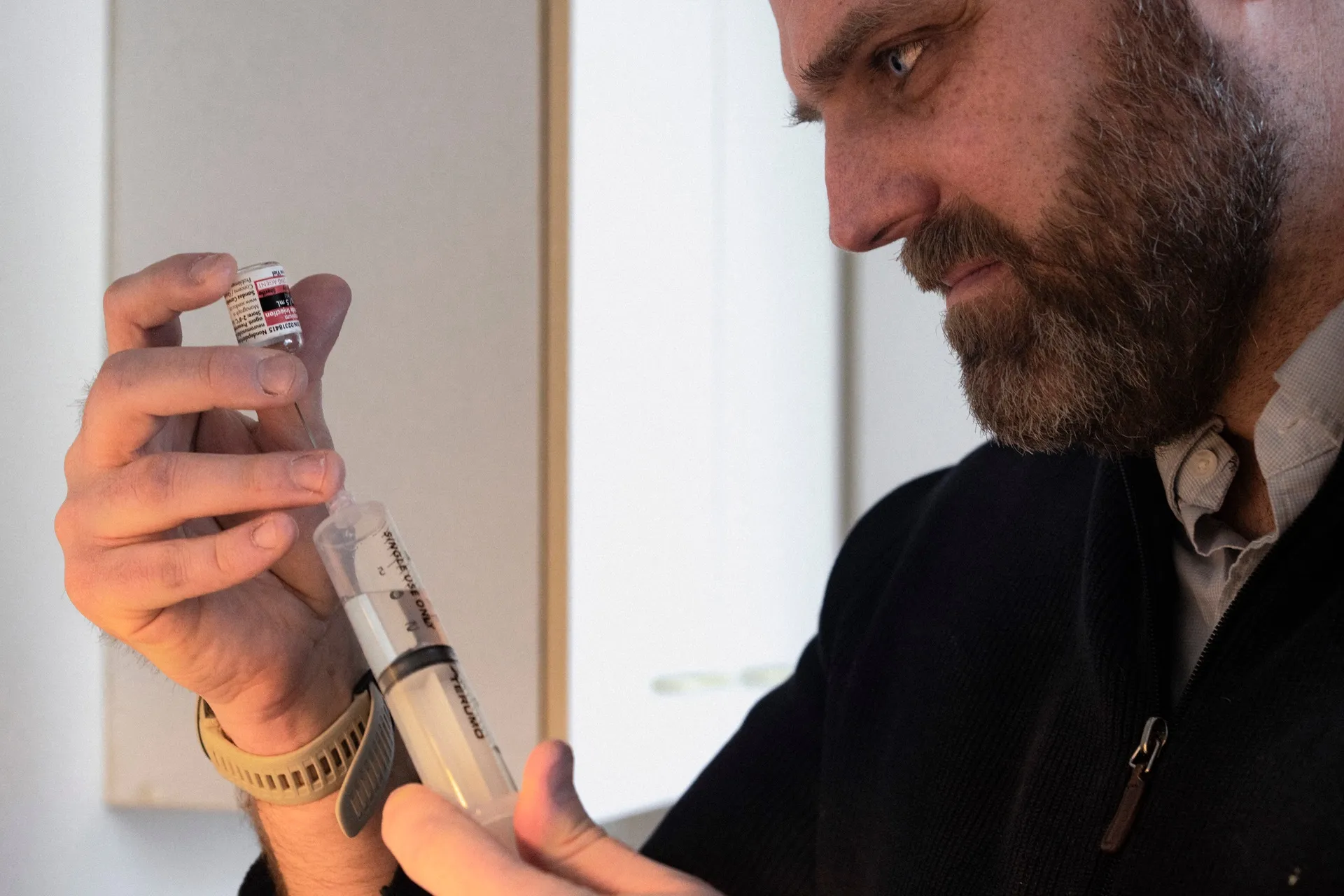
In the kitchen, Paula’s doctor assembled the injectable medications, including propofol, which he referred to as “milk of amnesia.”

In the kitchen, Paula’s doctor assembled the injectable medications, including propofol, which he referred to as “milk of amnesia.”

Paula once told a friend that a veterinarian would put a dog down for feeling better than she did. As the doctor returned with the medication, her friends tried to comfort and reassure her.

Paula once told a friend that a veterinarian would put a dog down for feeling better than she did. As the doctor returned with the medication, her friends tried to comfort and reassure her.

“I’m going to take Paula’s hand now.”

The doctor explained that it would feel just like falling asleep.

“I’m going to take Paula’s hand now.” The doctor explained that it would feel just like falling asleep.

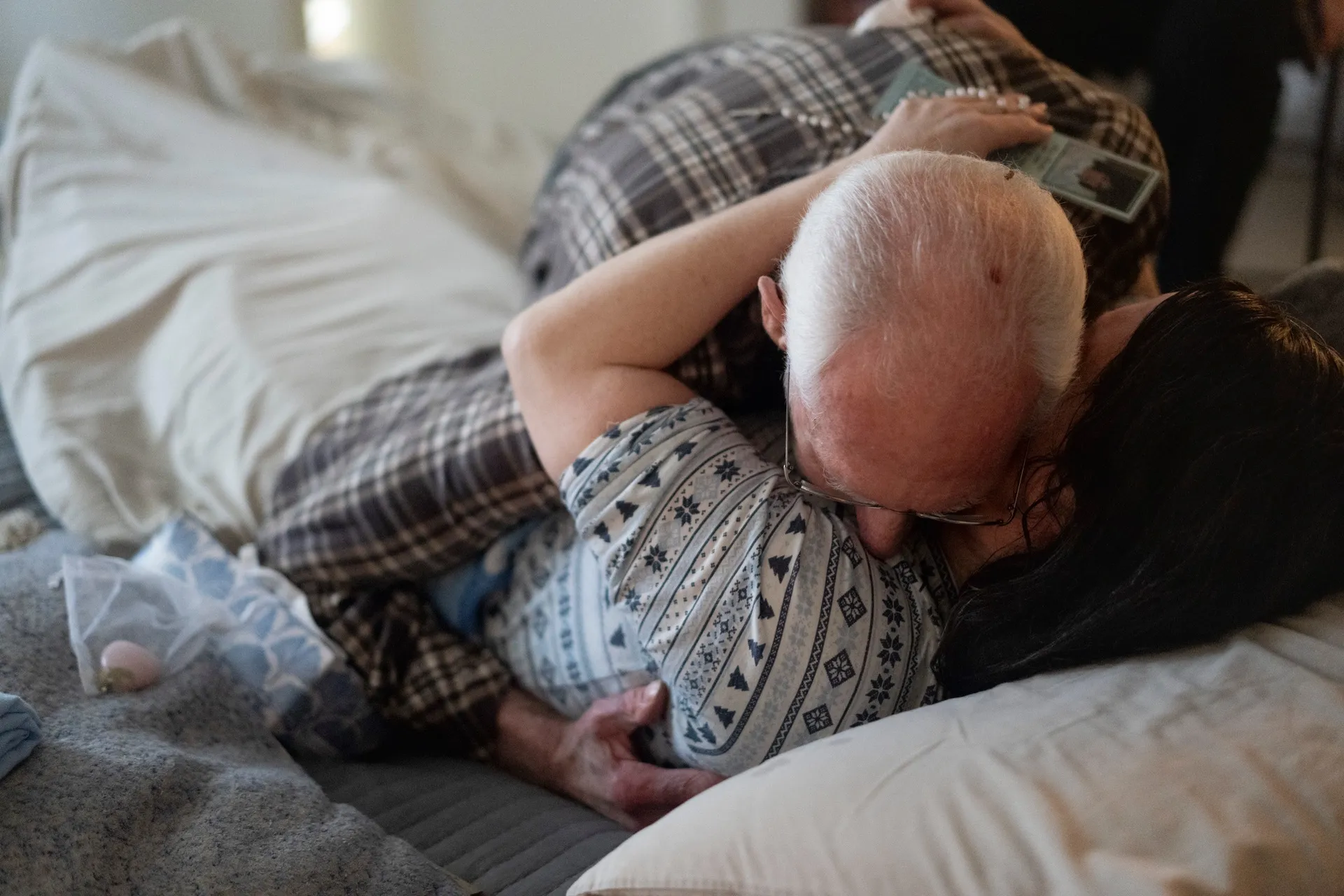
In Paula’s final moments, the room was still. Her childhood friend knelt at the foot of the bed, joined by her death doula.

In Paula’s final moments, the room was still. Her childhood friend knelt at the foot of the bed, joined by her death doula.

Paula worried that dying would be painful. But when the time came, she was calm as the drugs went in.

“I don’t feel anything,” she whispered.

Paula worried that dying would be painful. But when the time came, she was calm as the drugs went in. “I don’t feel anything,” she whispered.

Do Patients Without a Terminal Illness Have the Right to Die?, frame oliver-farshi-do-patients-without-a-terminal-illness-have-the-right-to-die-11
Later in life, Paula had struggled to care for herself.

Her nails had grown long and bathing was a challenge.

Later in life, Paula had struggled to care for herself. Her nails had grown long and bathing was a challenge.

As the sun set and each guest left Paula's home, two of Paula's friends stayed with the body until it was collected. They then packed up the remaining chairs and left.

As the sun set and each guest left Paula's home, two of Paula's friends stayed with the body until it was collected. They then packed up the remaining chairs and left.